1940 Indian Chief Bluework Embroidery Review
First Impressions of 1940 Indian Chief Bluework
As an experienced embroidery designer, the first thing that strikes me about 1940 Indian Chief Bluework is its bold yet refined aesthetic. The design feels like a perfect blend of vintage charm and modern appeal. It carries a nostalgic vibe with its classic motorcycle imagery, which instantly connects with fans of retro transportation themes. This makes it a versatile choice for a variety of craft fair products, especially those targeting enthusiasts of vintage culture or handmade goods with a story.
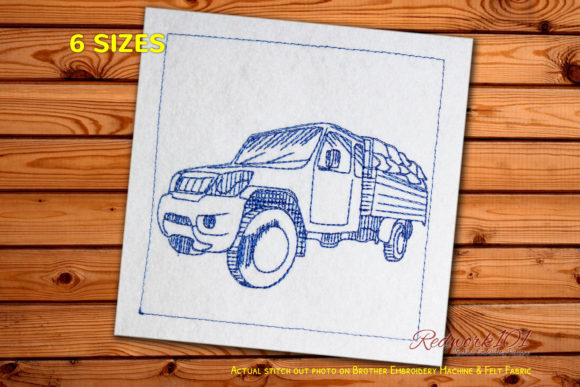
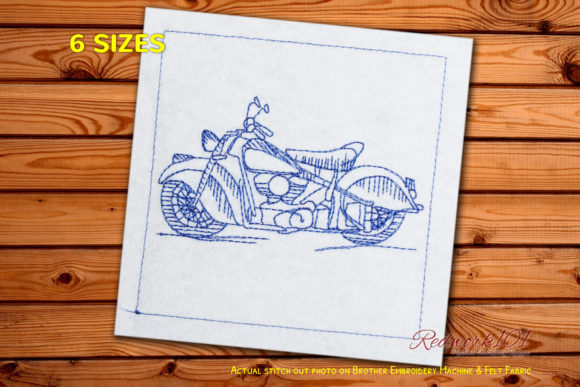
The Box Stitch shown in the picture is optional, which gives embroiderers flexibility to adapt the design based on their product needs. The outer box color is usually different from the main design unless it's integral to the look. This means there’s room for customization without compromising the visual impact of the piece.
Performance on Various Craft Fair Products
1940 Indian Chief Bluework shines when applied to products like tote bags, aprons, tea towels, and pillow covers. Its clean lines and clear imagery make it stand out on larger surfaces, where it can be the focal point of the item. On tote bags, it adds a touch of personality and draws attention, making it ideal for handmade product displays at craft fairs.
On aprons, the design works well as a statement piece, especially if placed near the waistband or pocket area. For tea towels, the simplicity of the bluework style complements the rustic feel of kitchen textiles. As an embroidered patch, it can be used on caps, fabric pouches, and market bags, adding a unique flair to smaller items.
For Etsy sellers and boutique makers, this design could be particularly effective on small, giftable handmade items such as keychains, patches, and mini pillow covers. These items are often purchased as souvenirs or collectibles, and the recognizable imagery of the 1940 Indian Chief adds instant value.
Practical Selling and Production Considerations
One of the key selling points of 1940 Indian Chief Bluework is its clarity. The design is easy to understand at a glance, making it ideal for both small accent placements and large focal designs. When photographing the finished product for online listings, the high contrast between the blue stitches and the background fabric ensures it looks sharp and vibrant in pictures.
However, there are some practical considerations to keep in mind. If you plan to use this design on dark fabrics or textured materials like towels, ensure the thread colors provide enough contrast. Also, check the stitch density to avoid overcrowding the design, especially on curved surfaces like caps or small pouches.
Before mass production, test the machine embroidery design on scrap fabric to confirm the hoop size and stabilizer requirements. This helps prevent issues like puckering or shifting during the embroidery process. Creating a real printable mockup can also help visualize how the design will look on different fabric types before committing to batch production.
Careful-Use Notes for Embroidery Designers
If your digital embroidery file includes dense stitch areas or tiny details, be cautious when scaling down the design for smaller items. Tiny lettering or intricate elements may lose clarity at smaller sizes. Always review spacing and confirm that the design maintains its integrity across various craft fair products.
For small shop products, consider using lighter-colored fabrics to highlight the bluework. Darker fabrics might mute the design, reducing its visual appeal. Additionally, ensure that any commercial embroidery use of this design is properly licensed, especially if you're planning to sell it as a design asset or finished product.
Impact on Visual Appeal and Customer Engagement
The visual appeal of 1940 Indian Chief Bluework is undeniable. It adds character and storytelling to every handmade product it adorns, which can significantly enhance customer engagement at your booth. Whether it’s a tote bag or a cap, the design immediately captures attention and sparks conversation.
This design also contributes to brand consistency, especially if you're focusing on a vintage or retro theme. It reinforces the quality of your handmade product and elevates the perceived value, making it more attractive to buyers looking for something unique and meaningful.
From a booth display perspective, incorporating this design into your range of products creates a cohesive and eye-catching presentation. It strengthens the overall visual identity of your stall and increases the chances of attracting potential customers.
Embroidery Designer Tips Before Production
Before finalizing your production run, always test the machine embroidery design on scrap fabric. Check the thread colors, spacing, and hoop size to ensure the design translates well to the intended fabric. Inspect the stitch density and use the right stabilizer to maintain the integrity of the design.
Create at least one real mockup to compare how the design looks on different fabric colors. Confirm commercial licensing before selling finished products, especially if you're an Etsy seller or digital embroidery file provider.
By carefully considering these factors, you can confidently turn 1940 Indian Chief Bluework into a standout feature of your craft fair product line, ensuring it resonates with customers and enhances your handmade offerings.