Native Scenery Embroidery Design Review
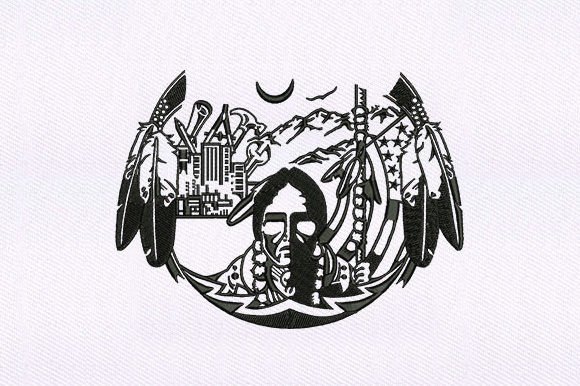
As an experienced embroidery designer, I recently came across the Native Scenery machine embroidery design from Creative Fabrica. This design immediately caught my attention with its unique visual personality and versatility for a wide range of apparel projects. Designed in the Africa category, it brings a touch of cultural richness to any custom apparel collection.
First Impressions and Visual Personality
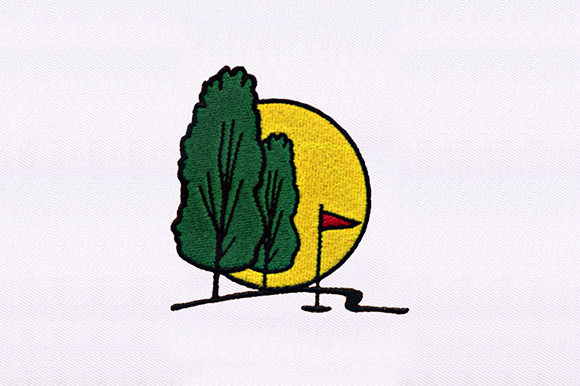
The Native Scenery design has a soft yet detailed aesthetic that feels both premium and casual. It exudes a sense of natural beauty, with intricate patterns that suggest traditional African motifs but in a way that's accessible for modern boutique brands. The stitching mood is peaceful and earthy, making it ideal for creating a calming and inviting vibe on garments.
Visually, it balances between cute and bold, offering enough detail to stand out without overwhelming the garment. Its decorative strength lies in the fine lines and subtle textures, which give it a feminine and rustic charm. This makes it perfect for adding character to pastel hoodies or dark apparel without clashing with the fabric.
Performance Across Apparel Types
Sweatshirt Embroidery: The Native Scenery design works beautifully on neutral sweatshirts and oversized garments. It adds a layer of sophistication to basic tees and hoodies, transforming them into statement pieces. For hoodie chest placement, the design's central elements can be positioned to draw attention while maintaining a balanced look.
Sleeve Accents: As a sleeve accent, it complements the flow of the garment with its delicate detailing. It’s particularly effective on lightweight fabrics where the embroidery doesn’t overpower the texture.
Back Designs: When used as a back design, Native Scenery becomes a focal point, especially when paired with minimalist front designs. It adds depth and interest to the overall look of the garment.
Tote Bag Design: On tote bags, the design maintains its visual appeal, offering a stylish and functional addition to handmade products. Its scale and detail work well on larger surfaces.
Boutique Merchandise: This design fits perfectly within boutique merchandise collections, especially those targeting eco-conscious or culturally inspired consumers. It elevates the finished product and supports brand identity through thoughtful design choices.
Use Cases and Practical Application
Lifestyle Product Photos: When used in lifestyle product photos, Native Scenery enhances the visual storytelling of the apparel. It adds a layer of authenticity and cultural depth that resonates with customers looking for meaningful products.
Printable Mockups: For Etsy sellers and small shop products, printable mockups featuring Native Scenery help showcase the design's potential before production. They are invaluable for building buyer trust and increasing customer engagement.
Social Media Graphics: The design's visual appeal translates well into social media graphics, making it a great asset for promoting new arrivals or seasonal collections. It helps maintain visual consistency across different platforms.
Commercial Embroidery Products: For commercial embroidery, this design can be adapted to suit various needs, from small batches to large-scale production. Its file formats ensure compatibility with most embroidery machines, allowing for seamless integration into existing workflows.
Cautions and Considerations
While Native Scenery is versatile, there are certain areas where it should be used carefully. For small chest placements, it may require scaling down, which could affect the level of detail. Dense stitch areas might pose challenges on stretchy fabrics like fleece or ribbed materials, so testing on scrap fabric is essential.
On dark garments, thread color contrast should be considered to ensure visibility. Curved surfaces and areas prone to stretching or wrinkling also need careful planning to maintain the integrity of the design.
Design Notes for Embroidery Professionals
Before using Native Scenery in a production setting, I recommend the following steps:
- Test on Scrap Fabric: Always test the design on a similar fabric to ensure it stitches correctly and looks as intended.
- Check Stabilizer Choice: Use the right stabilizer to prevent puckering or distortion, especially on stretchy or thin materials.
- Review Thread Color Contrast: Ensure that the chosen thread colors complement the garment fabric and enhance the design's visual impact.
- Confirm Hoop Size: Check the hoop size required for the design to avoid any last-minute issues during production.
- Inspect Stitch Density: Review the stitch density to ensure it's appropriate for the fabric type and won't cause damage or excessive wear.
- Test on Similar Garment Fabric: Always conduct a test run on the same fabric you plan to use for the final product.
- Compare Placement Options: Experiment with different placement options to find the best fit for your collection.
- Check Licensing Details: Confirm the Creative Fabrica product details and licensing terms before selling finished apparel to avoid any legal issues.
Overall, Native Scenery is a valuable addition to any embroidery designer's toolkit. Its ability to enhance the value of custom apparel, support brand identity, and engage customers makes it a strong contender for boutique brands, Etsy sellers, and small clothing businesses. With proper planning and execution, it can elevate your product offerings and contribute to a professional and visually consistent brand image.